

Quick answer: Essex is the driest county in the UK, with clay-heavy soils inland and sandy or chalky ground near the coast. Choosing the right garden plants for Essex means selecting species that can handle dry summers, occasional late frosts, and exposed, windy spots — while still delivering year-round interest.
Essex gardens are genuinely brilliant to work in. But they’re also full of surprises — and not always the good kind. Over fifteen years of planting, designing, and maintaining gardens across the county, we’ve seen the same mistakes come up again and again. Gorgeous plants chosen for their looks, wilting by August. Thirsty borders planted on bone-dry sandy soil. Lush Mediterranean specimens battered by an east wind off the estuary.
The truth is, choosing the right garden plants for Essex isn’t complicated — once you understand what you’re actually working with. This guide covers the essentials: soil types, climate quirks, the plants that genuinely thrive here, and a seasonal planting guide to keep things on track.
What Essex weather really means for your planting
Here’s something most people don’t realise: Essex is the driest county in the UK. According to the Epping Weather Station, the driest spot — St Osyth on the coast — averages just 513mm of rainfall per year. Even inland areas like Epping sit at around 679mm, well below the national average.
That matters enormously when you’re choosing plants. Summer drought stress is real here, and it catches a lot of gardeners off guard. Add in the occasional late frost (we’ve recorded them as late as 12th May), summer heatwaves that push well past 30°C, and coastal wind exposure in open or easterly-facing plots — and you quickly see why a one-size-fits-all approach doesn’t work.
A few things worth checking before you plant anything:
- Sun and shade patterns across the day and by season
- Wind direction — especially on rural plots or near the coast
- Frost pockets — low-lying areas where cold air settles
- Drainage — does water sit after rain, or disappear in minutes?
Start with your soil (it’s not glamorous, but it’s everything)
Soil is where a lot of Essex planting plans quietly fall apart. The county has three main soil types, and they behave very differently.
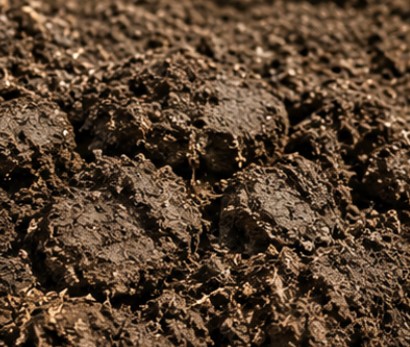
Clay soil — common in much of central and north Essex, including around Chelmsford and Braintree — is nutrient-rich but heavy. It holds water in winter (sometimes too well) and sets like concrete in a dry summer.
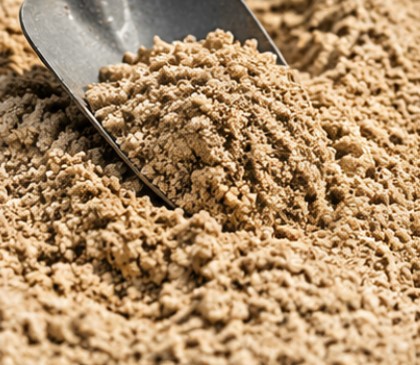
Sandy soil — more prevalent in coastal and southern areas — drains fast, warms up early in spring, but loses nutrients quickly and dries out sharply in summer.
Chalky soil — found in patches across the county — tends to be stony, free-draining, and alkaline, which rules out acid-lovers like rhododendrons and camellias unless you’re growing them in containers.
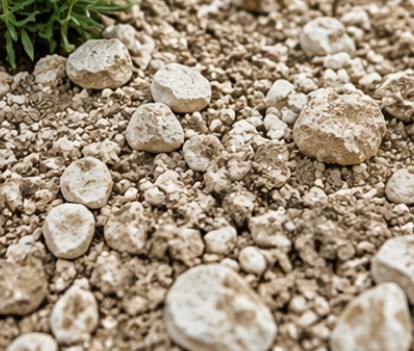
A simple drainage test: dig a small hole about 30cm deep, fill it with water, and see how long it takes to drain. If it’s still sitting there an hour later, you’ve got a drainage issue worth addressing. Incorporating plenty of organic matter — good garden compost, well-rotted manure — improves both clay and sandy soils before planting.
If you’re not sure what you’re working with, it’s worth getting a proper soil assessment before committing to a full border. A local nursery may also stock plants better adapted to Essex conditions than a national garden centre. That’s exactly the sort of thing we look at as part of our garden consultancy service.
Plants and bedding plants that thrive in Essex gardens (by garden goal)
Here’s the good news: there’s a genuinely excellent range of plants that thrive in Essex conditions. The key is matching the right plant to the right spot to create the right planting scheme for each goal, and native plants can also support local wildlife and biodiversity in Essex gardens.
Reliable shrubs for structure
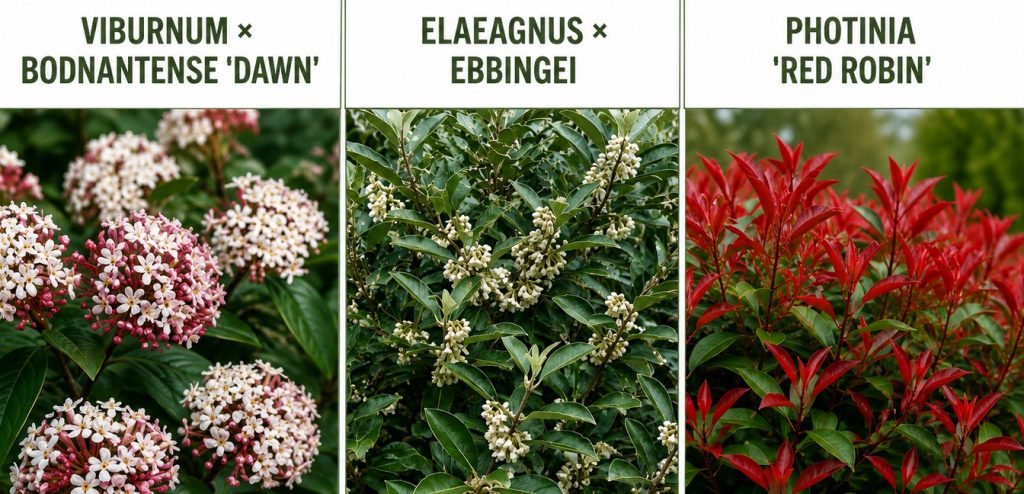
- Viburnum × bodnantense ‘Dawn’ — flowers through winter, tolerates clay, smells extraordinary. One of our personal favourites for Essex gardens.
- Elaeagnus × ebbingei — evergreen, tough as old boots, perfect as a windbreak in exposed spots, and its flowers in autumn have a subtle, honey-like scent most people don’t notice until we point it out.
- Photinia ‘Red Robin’ — that vivid red new growth gives you colour from early spring, and it handles most Essex soils well.
Perennials that return without fuss
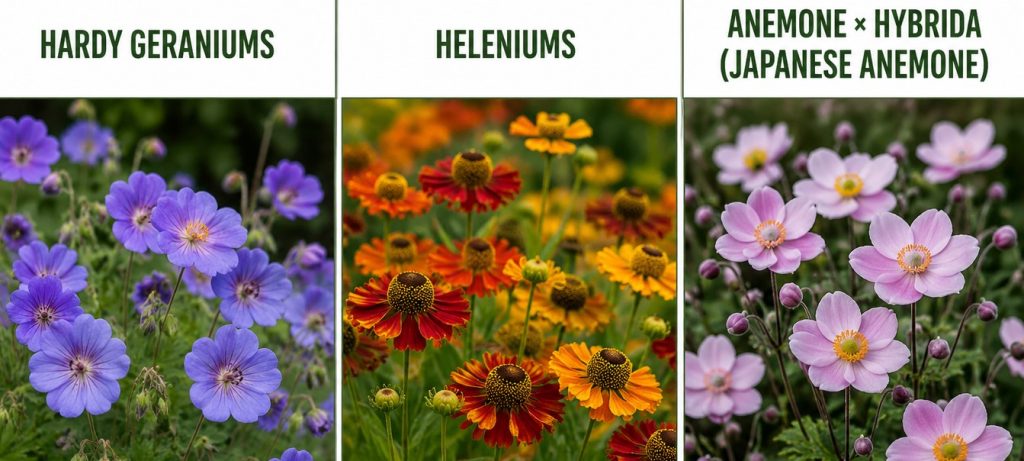
- Hardy geraniums — almost ridiculously unfussy. They work on clay, cope with dry spells once established, and come back reliably every year.
- Heleniums — bold, late-summer colour with excellent clay tolerance. A brilliant choice for a sunny border that needs life in August and September.
- Anemone × hybrida (Japanese anemone) — perfect for shadier spots, flowers late in the season when most borders are winding down.
Grasses for movement and resilience
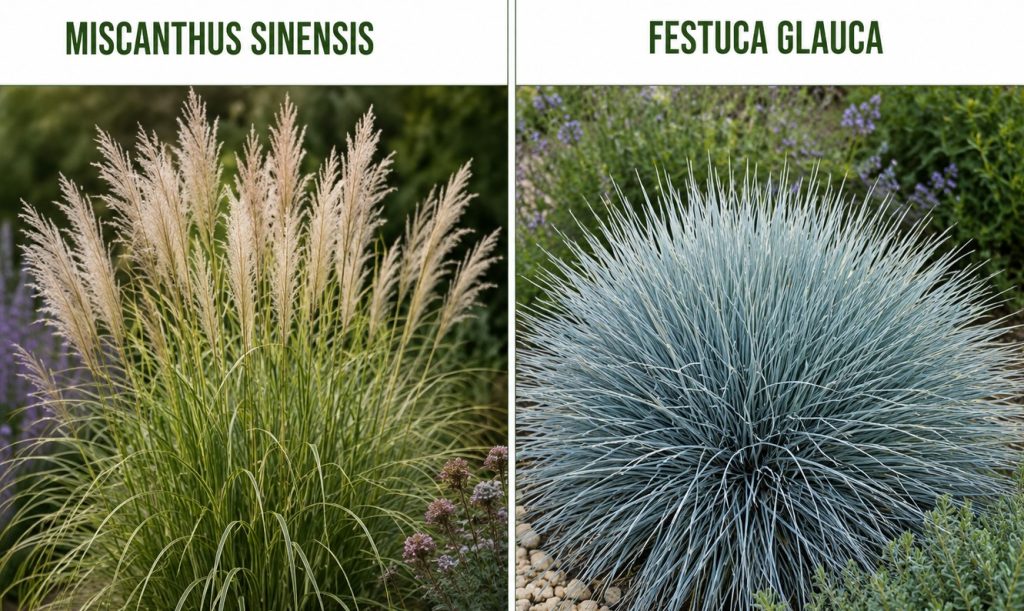
- Miscanthus sinensis — tall, structural, drought-tolerant once established, and the autumn seedheads last well into winter. Excellent for movement in an exposed garden.
- Festuca glauca — compact, silvery-blue, and genuinely happy in dry, sandy soils.
Trees for long-term impact
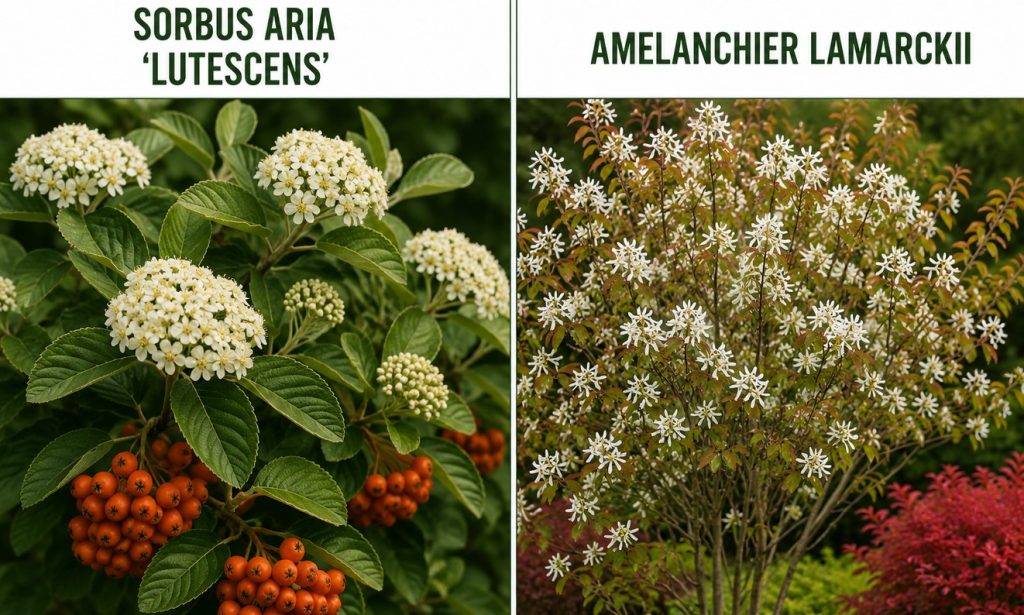
Flower and tree planting sits at the heart of what we do at Eden Horticultural. For Essex gardens, we regularly recommend:
- Sorbus aria ‘Lutescens’ — tolerates clay and chalk, provides spring blossom, autumn berries, and good wildlife value.
- Amelanchier lamarckii — stunning spring blossom, beautiful autumn colour, and a manageable size for most gardens.
An Essex planting guide by season
Spring: This is prime planting time for perennials and tender shrubs — but keep an eye on late frosts. Water newly planted specimens regularly; establishment is everything in that first year.
Summer: Drought strategy matters here. Mulch borders in early summer to retain moisture, and prioritise deep, infrequent watering over light daily sprinkles. Deadhead to prolong flowering.
Autumn: Arguably the best time to plant trees and shrubs in Essex. The soil is still warm, rainfall increases, and roots can establish before the cold sets in. Don’t leave it too late into December.
Winter: Plan, order, prepare. This is also a good time for structural or bare-root planting, and for thinking about what’s missing in terms of year-round interest.
Common planting mistakes we see in Essex gardens
We’ve seen a lot over the years. These come up constantly:
- Planting for Instagram, not for conditions — a sun-baked, wind-exposed south-facing border and a lush cottage garden aesthetic don’t mix well without careful plant selection.
- Underestimating establishment watering — even drought-tolerant plants need regular watering in their first growing season. This surprises a lot of people.
- Packing plants too tightly — a colourful panoply of bedding plants looks great immediately but causes real problems within two or three years.
- Ignoring drainage around patios and new builds — compacted or rubble-filled soil is incredibly common on new developments, and most plants simply won’t establish in it without proper ground preparation.
Want a garden that looks good all year, not just for three weeks in June?
The framework we always come back to is: structure + seasonal stars + ground cover. Get those three layers working together and the garden holds interest across every season. Combine that with good hard landscaping — paths, levels, seating areas — and you’ve got something that genuinely rewards every visit.
Our soft and hard landscaping services work hand-in-hand with planting for exactly this reason.
Frequently asked questions
What are the easiest plants that thrive in Essex gardens?
Hardy geraniums, Viburnum × bodnantense ‘Dawn’, Heleniums, and Elaeagnus × ebbingei are all reliable performers across a range of Essex soil types and conditions. They’re tolerant of both clay and drier soils, require minimal intervention once established, and deliver genuine garden interest across different seasons. For low-maintenance results, combining evergreen structure with tough, returning perennials is almost always the right approach.
When is the best time to plant shrubs and trees in Essex?
Autumn — ideally September through to early November — is the sweet spot for planting trees and shrubs in Essex. The soil is still warm from summer, root establishment happens naturally before winter, and plants arrive at spring already settled in. Spring planting works too, but demands more consistent watering to compensate for the drier months ahead.
How do I choose the right plants to grow in clay soil in Essex?
Look for species with a known clay tolerance: Hydrangeas, Hardy geraniums, Heleniums, Anemone × hybrida, Viburnum, Mahonia, and Sorbus all perform well. Avoid plants that need sharp drainage, such as Mediterranean herbs in heavy ground. Improving the soil with organic matter before planting always pays dividends on clay.
What should I plant for year-round colour and structure?
Combine evergreen shrubs (like Photinia or Elaeagnus) for winter backbone, spring-flowering trees (like Amelanchier), summer perennials (like Helenium and Salvia), and late-season grasses (like Miscanthus). Layering plant types across different seasons is the most reliable way to keep an Essex garden looking purposeful all year.
How often should I water new plants in their first year?
During dry spells, newly planted trees and shrubs typically need watering every two to three days in their first summer — more frequently in sandy soils. The aim is deep, thorough watering rather than light daily sprinkles, which encourages roots to stay shallow. A generous mulch around the base significantly reduces moisture loss.
Can you recommend plants for windy or exposed Essex gardens?
Elaeagnus × ebbingei, Berberis, and Euonymus are all excellent for wind-exposed positions and can double as effective windbreaks. For perennials in exposed spots, Miscanthus grasses handle movement well and are far less prone to wind damage than taller, more brittle plants. Coastal gardens in particular benefit from a structured windbreak layer before more ornamental planting.
Do you offer a planting service in Essex if I don’t want to DIY it?
Yes — planting is at the heart of what we do. We’ve been providing specialist planting services across Essex since 2009, covering everything from individual tree planting to full border schemes and ongoing maintenance. Whether you need help with a single bed or a full garden design and planting plan, we’d love to help. Get in touch to discuss your garden.
Start planting with confidence
Getting the plants right from the start — matched to your soil, your conditions, and your goals — saves years of frustration and replanting. It’s genuinely one of the most satisfying parts of our work.
At Eden Horticultural, our knowledgeable team have spent over fifteen years working with Essex gardens in all their variety: clay-heavy plots in Chelmsford and Braintree, wind-exposed gardens near the coast, tight town gardens in Brentwood and Colchester, and everything in between. Whether you’re starting from scratch, replanting a tired border, or looking for a full garden design, we’d love to talk.
Get in touch with the Eden Horticultural team to discuss your planting plans, arrange a consultation, or explore our full range of landscaping and maintenance services.